
Skin diseases (Skin Diseases/Dermatological Disorders) are conditions or illnesses that occur on the skin, hair, nails, sebaceous glands, and sweat glands. The skin is the largest organ in the body and serves as a protective barrier for internal organs.
When abnormalities occur, warning signs appear in various forms, such as red rashes, itching, dry and peeling skin, blisters, pus, or skin discoloration. The causes of skin diseases are divided into 2 main factors:

Immune system abnormalities (Autoimmune), genetics, hormonal changes, stress, and age-related degeneration

Infections (bacteria, fungi, viruses, parasites), irritating chemicals, pollution, sunlight (UV rays), and weather conditions
1) Infectious Skin Diseases
Caused by external pathogens entering the skin through wounds, hair follicles, or moisture accumulation.
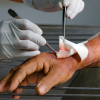
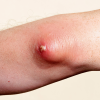
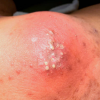
Bacterial Infections
(e.g., boils, pus, infected wounds)
Occurs when bacteria (such as Staphylococcus or Streptococcus) enter the skin layer, causing pain, swelling, redness, heat, and pus.
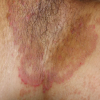
Fungal Infections
(e.g., ringworm, tinea versicolor, Tinea Cruris)
Often occurs in damp areas such as skin folds, groin, or feet
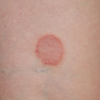
Ringworm: Red circular rash with clear borders
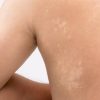
Tinea Versicolor: White, pink, or brown patches
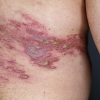
Viral Infections
(e.g., herpes, shingles, warts)
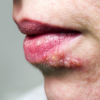
Herpes: Small clusters of clear blisters with a burning sensation
Shingles: Caused by the same virus as chickenpox dormant in nerve roots, causing deep burning pain
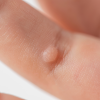
Warts: Caused by HPV, leading to thickened skin tissue
2) Inflammatory & Autoimmune Diseases
Caused by an overactive or abnormal immune system that attacks the body's own skin cells.

Atopic Dermatitis
/ Eczema
A chronic condition causing extremely dry skin, severe itching, and red rashes. Commonly occurs on inner elbows, back of knees, and neck. Associated with a family history of allergies.

Urticaria
(Hives)
Raised, red, well-defined, intensely itchy wheals caused by histamine release in the skin layer. Rashes erupt rapidly, can move locations, and usually resolve within 24 hours.

Psoriasis
Caused by rapid skin cell turnover, resulting in thick, red plaques covered with silvery scales. Pinpoint bleeding occurs when peeled. Commonly affects elbows, knees, and scalp.

Vitiligo
Pigment-producing cells (Melanocytes) are destroyed, resulting in distinct white patches on the body.
3) Environmental & Allergic Contact Diseases
Caused by direct skin contact or exposure to external factors.

Allergic Contact Dermatitis
Caused by individual allergic responses to substances such as nickel in jewelry, fragrances, hair dye chemicals, or certain medications.

Irritant Contact Dermatitis
Caused by corrosive substances directly damaging the skin layer, such as detergents, bathroom cleaners, or strong acids/alkalis (can affect anyone without prior allergy history).

Sunburn & Pigmentation
Sunlight damages DNA in skin cells, causing painful redness, peeling, followed by melasma, freckles, and dark spots.
4) Sebaceous & Scalp Disorders
Related to the function of sebaceous glands and natural yeast on the skin layer.

Acne
Caused by clogged sebum and dead skin cells in hair follicles combined with the growth of C. acnes bacteria, developing into comedones, inflammatory acne, or pustules.

Seborrheic Dermatitis
Red rash with oily, yellowish scales. Commonly occurs in oily areas such as sides of the nose, eyebrows, behind ears, and chest.

Dandruff and Scalp Inflammation
Caused by faster-than-normal shedding of scalp skin cells, associated with the amount of Malassezia yeast on the scalp.
Prevention & Self-care

Proper Cleaning
Take lukewarm baths (avoid hot water). Use mild cleansers with neutral pH without fragrances or corrosive SLS ingredients.
Lock in Moisture & Sun Protection
Apply moisturizer immediately after bathing within 3 minutes to lock in skin moisture. Apply broad-spectrum sunscreen (SPF 30+ / PA+++ or higher) daily.
Minimize Skin Barrier Damage
Avoid scratching, scrubbing, or picking at wounds, as this damages the protective skin barrier and increases the risk of secondary bacterial infections.
Personal Hygiene
Avoid wearing damp clothes. Do not share personal items (such as towels or combs) with others to prevent fungal and viral infections.
Emergency Warning Signs
Rapidly Spreading Rash
Rash spreading all over the body within a few hours.
Signs of Severe Infection
Oozing pus, skin that is extremely painful, swollen, red, hot, or accompanied by high fever.
Affecting Other Body Systems
Rash accompanied by swollen eyes, swollen lips, breathing difficulty, or trouble swallowing (signs of severe allergic reaction / Anaphylaxis).
Severe Blistering
Widespread peeling skin blisters or open sores in the mouth and eyes (may indicate severe drug reaction).
No Improvement
Symptoms do not improve after 1–2 weeks of basic treatment, or itching severely disrupts sleep.


Additional contact channels WhatApp
Ask for more information / Free consultation




 MakeWebEasy